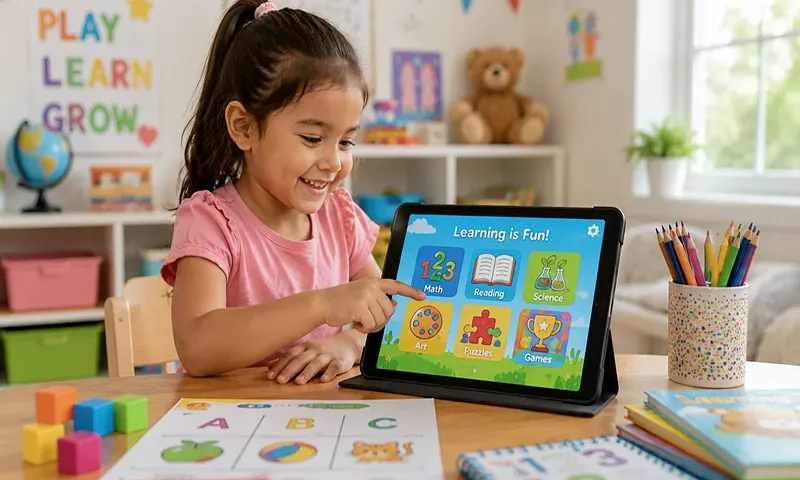
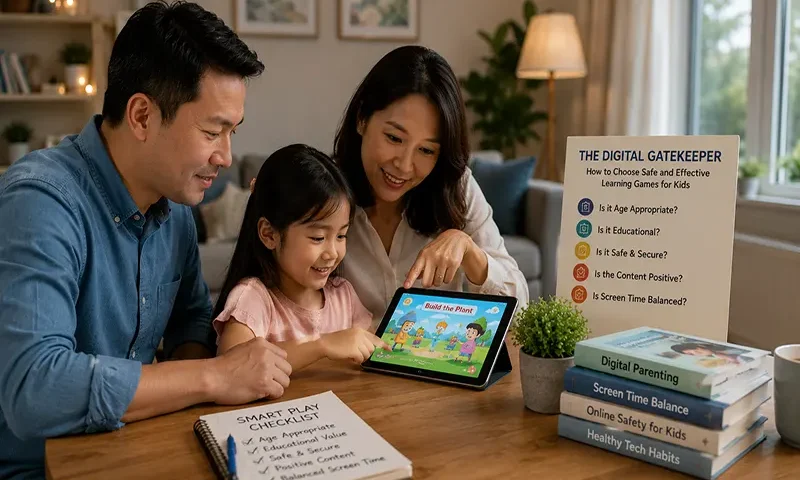
The Digital Gatekeeper: How to Choose Safe and Effective Learning Games for Kids

For the modern parent, the tablet is a paradox. On one hand, it is a portable library, a creative studio, and a personalized tutor. On the other, it is a gateway to a digital landscape often designed to capture attention, harvest data, and monetize your child’s engagement.

The goal isn’t to banish the tablet, but to become an “informed curator.” By moving from passive screen-time managers to active digital gatekeepers, you can ensure that the games your child plays are not just entertaining, but genuinely supportive of their development—all while keeping their privacy and safety intact.

The “Safe-Tech” Checklist: An Evaluation Framework

Before you hit “download” on the latest “top-rated” learning app, run it through this four-part evaluation. If an app fails on the first point, you can save yourself the time of even looking at the rest.

1. Privacy and Data Security

Privacy is the bedrock of safety. Many “free” apps are actually data-harvesting tools.

  • Check for COPPA Compliance: Look for explicit statements that the app is COPPA (Children’s Online Privacy Protection Act) compliant.
  • The “Data Safety” Label: In the app store, scroll to the “Data Safety” section. Does the developer collect location data? Do they share it with
READ MORE ...
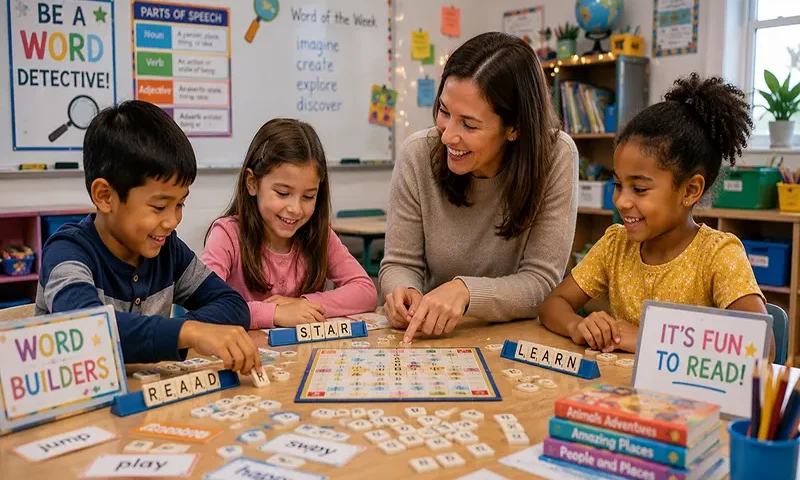
Spelling and Reading Made Fun: Creative Games for Elementary Students

For many children, the transition from “learning to read” to “reading to learn” is one of the most significant hurdles in elementary education. As the complexity of vocabulary and syntax increases, the joy of discovery can sometimes be buried under a mountain of repetitive worksheets and high-stakes spelling tests.

However, literacy doesn’t have to be a chore. Play is the most effective way to build fluency, confidence, and vocabulary retention. When learning is gamified, the stakes feel lower, making children more willing to take risks, guess at words, and explore language with curiosity rather than anxiety.

The Literacy Lab: Four Pillars of Play

To make language learning stick, we need to engage different parts of the brain. By rotating through these four categories, you can ensure a well-rounded approach to literacy:

  1. Tactile & Sensory Spelling: Using the hands to “build” words helps reinforce orthographic patterns through motor memory.
  2. Movement-Based Literacy: Getting the “wiggles” out while practicing sounds keeps active learners focused.
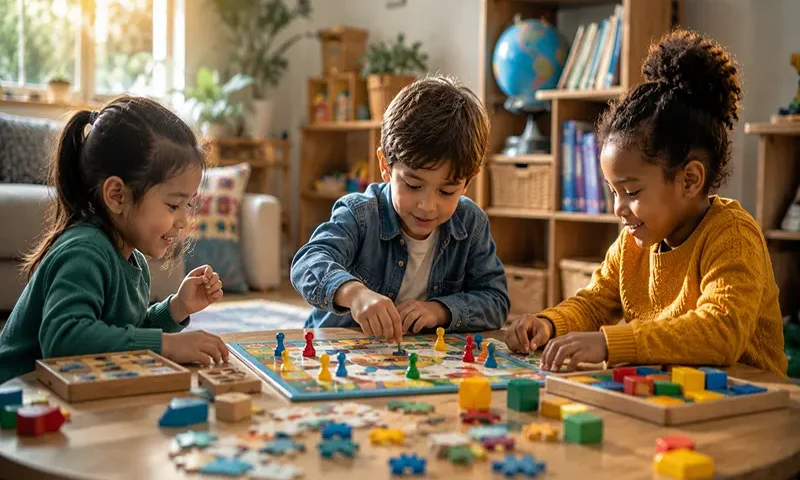
  3. Strategic & Social Games: Learning to play by the rules fosters turn-taking and patient observation.
  4. Creative Writing & Discovery: Turning kids into authors and detectives builds the most important skill of all: a love for storytelling.

Star Literacy Games:

READ MORE ...
Best Free Educational Learning Games for Kids Offline

In today’s digital world, children often rely on smartphones, tablets, and internet-connected devices for entertainment and learning. While online educational platforms offer many benefits, parents may not always have access to reliable internet connections. Fortunately, there are plenty of free educational learning games that kids can enjoy offline. These games help children develop important skills while reducing screen dependency and encouraging creativity, critical thinking, and social interaction.

Offline educational games are particularly valuable because they can be played anywhere—at home, during travel, in waiting rooms, or even outdoors. They provide opportunities for meaningful learning without requiring Wi-Fi or subscriptions. Here are some of the best free educational learning games for kids offline and how they support child development.

Why Offline Learning Games Matter

Offline games offer several advantages over internet-based activities. They help children stay engaged while minimizing distractions from advertisements, notifications, and unrelated online content.

Benefits of offline educational games include:

  • Improved concentration
  • Reduced screen time
  • Enhanced creativity
  • Better social interaction
  • Development of problem-solving skills
  • Increased independence
  • Learning without internet access

Most importantly, offline games encourage children to actively participate rather than passively consume content.

Alphabet Treasure Hunt

The Alphabet Treasure Hunt is a simple and engaging game that … READ MORE ...

The Best Free Educational Learning Games for Kids

In an era of hyper-connectivity, the irony of modern parenting is that we often need digital tools to disconnect. Whether you are heading out on a long-haul flight, embarking on a cross-country road trip, or simply trying to manage screen time in a data-conscious household, the ability to rely on offline educational content is a game-changer.

Offline games aren’t just a “pacifier” for the car—they are a fantastic way to offer your child focused, ad-free, and interruption-free learning. Without the pings, pop-up ads, or the need for a stable Wi-Fi connection, children can engage in deeper, more meaningful play.

Why Choose Offline-First Educational Apps?

  • Zero Distractions: No unexpected advertisements or external links that can lead to accidental clicks.
  • Reliable Performance: Whether you are in the air or out in nature, these apps remain functional, ensuring your child has access to familiar, comforting educational activities.
  • Focused Cognitive Development: By removing the “infinite scroll” of online content, children are encouraged to engage with a single task or game at their own pace, fostering better focus and problem-solving skills.

Top Picks for Offline Learning

1. Khan Academy Kids (Ages 2–8)

Perhaps the “gold standard” for free, high-quality learning, Khan Academy Kids is … READ MORE ...

Fun Interactive Math Learning Games for Kids in Kindergarten

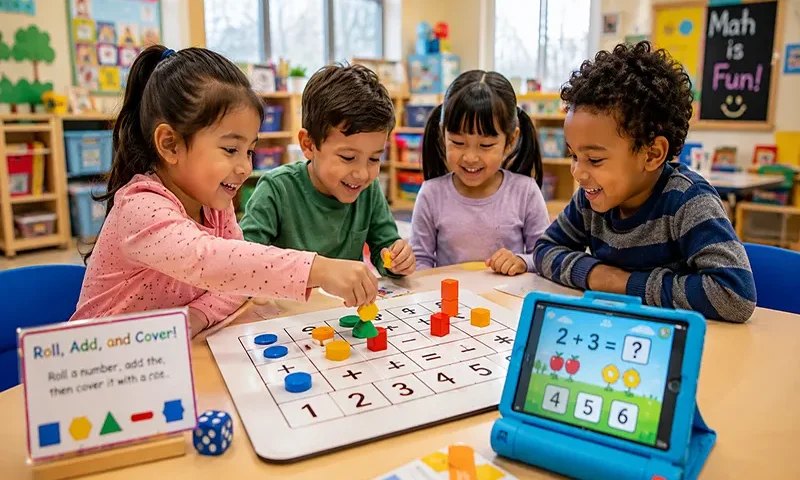
For many, the word “math” conjures images of static worksheets, rote memorization, and daunting columns of numbers. However, for a kindergartener, math is not a subject—it is a language they use to understand the world around them. At age five or six, children are naturally curious, and they learn best through movement, touch, and play. By turning foundational math concepts into interactive games, we can foster a deep-seated love for problem-solving that will serve them for the rest of their lives.

Math at this stage is all about “number sense”—understanding what numbers represent, recognizing patterns, and grasping the basic concepts of addition and subtraction through real-world experience. Here is how you can transform your home or classroom into an interactive math playground.

1. Hands-On and Tactile Games

Tactile learning is essential in kindergarten because it bridges the gap between abstract symbols (like the number “5”) and concrete reality (five physical objects).

The Muffin Tin Sort

Using a standard muffin tin, label each cup with a number (1–12) using masking tape or paper inserts. Provide your child with a bowl of “counters”—these could be pom-poms, dried beans, or plastic dinosaurs.

  • The Task: The child must place the correct number of items
READ MORE ...